

2025
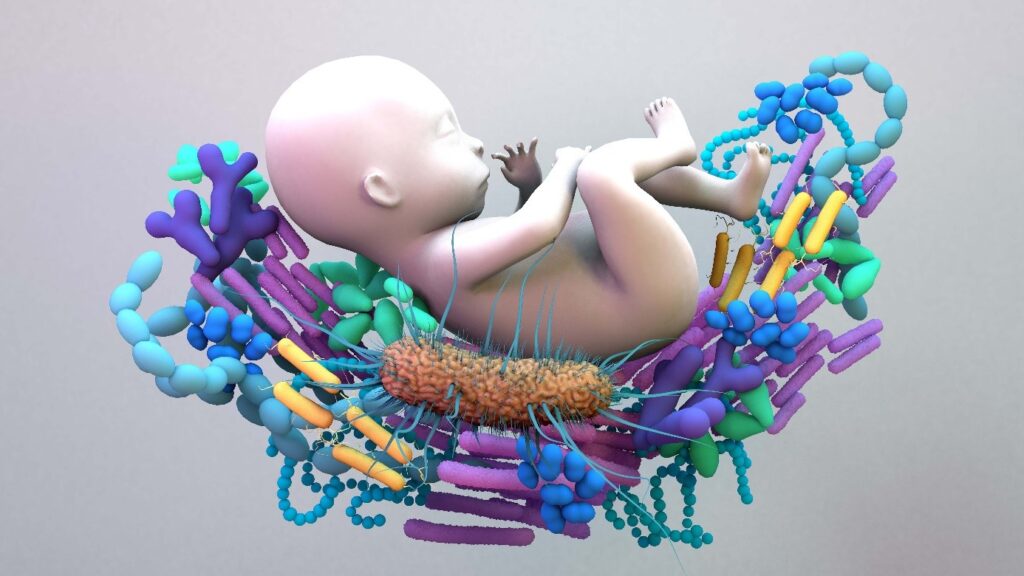
- The ontogeny of immune tolerance: a model of early-life secretory IgA – gut microbiome interactions
Tepekule B., Lim A.I., and Metcalf C.J.E. | PloS Biology - Computational and in vitro evaluation of probiotic treatments for nasal Staphylococcus aureus decolonization Tepekule B., Bergadà-Pijuan J., Scheier T., Günthard H. F., Hilthy M., Kouyos R. D., Brugger S. | PNAS
- Getting ahead of human-associated microbial decline in Africa: the urgency of sampling in light of epidemiological transition
Moyo G. T., Tepekule B., Blaser M. J., and Metcalf C.J.E. | Trends in Microbiology
2024
- Antibodies in Breast Milk: Pro-Bodies Designed for Healthy Newborn Development
Verhasselt V., Tellier J., Carsetti R., and Tepekule B. | Immunological Reviews - Transcriptional Profile of Mycobacterium Tuberculosis Infection in people living with HIV
Tepekule B., Joerimann L., Schenkel C. D, Opitz L., et al., | iSicence,
2023
- Understanding the decline of incident, active tuberculosis in people with HIV in Switzerland
Zeeb M., Tepekule B., Kusejko K., Reiber C., Kälin M., …, Günthard H. F, Kouyos R. D., Nemeth J., Swiss HIV Cohort Study | Clinical infectious diseases
2022
- Hosts, microbiomes and the evolution of critical windows
Metcalf C. J. E., Tepekule B., Bruijning M., Koskella B. | Evolution Letters - Impact of Latent Tuberculosis on Diabetes
Tepekule B., Kusejko K., Zeeb M., Tarr P. E., Calmy A., Battegay M., Furrer H., Cavassini M., Bernasconi E., Notter J., Günthard H. F., Nemeth J., Kouyos R. D, Swiss HIV Cohort Study | The Journal of Infectious Diseases
2021
- Comparing treatment strategies to reduce antibiotic resistance in an in vitro epidemiological setting
Angst D. C., Tepekule B., Bogos B., Sun L., Bonhoeffer S. | PNAS - Assessing the Potential Impact Of Transmission During Prolonged Viral Shedding On The Effect Of Lockdown Relaxation On Covid-19
Tepekule B., Hauser A., Nikolaevich Kachalov V., Andresen S., Scheier T., Schreiber P. W., Guenthard H. F., Kouyos R. D. | PloS Computational Biology