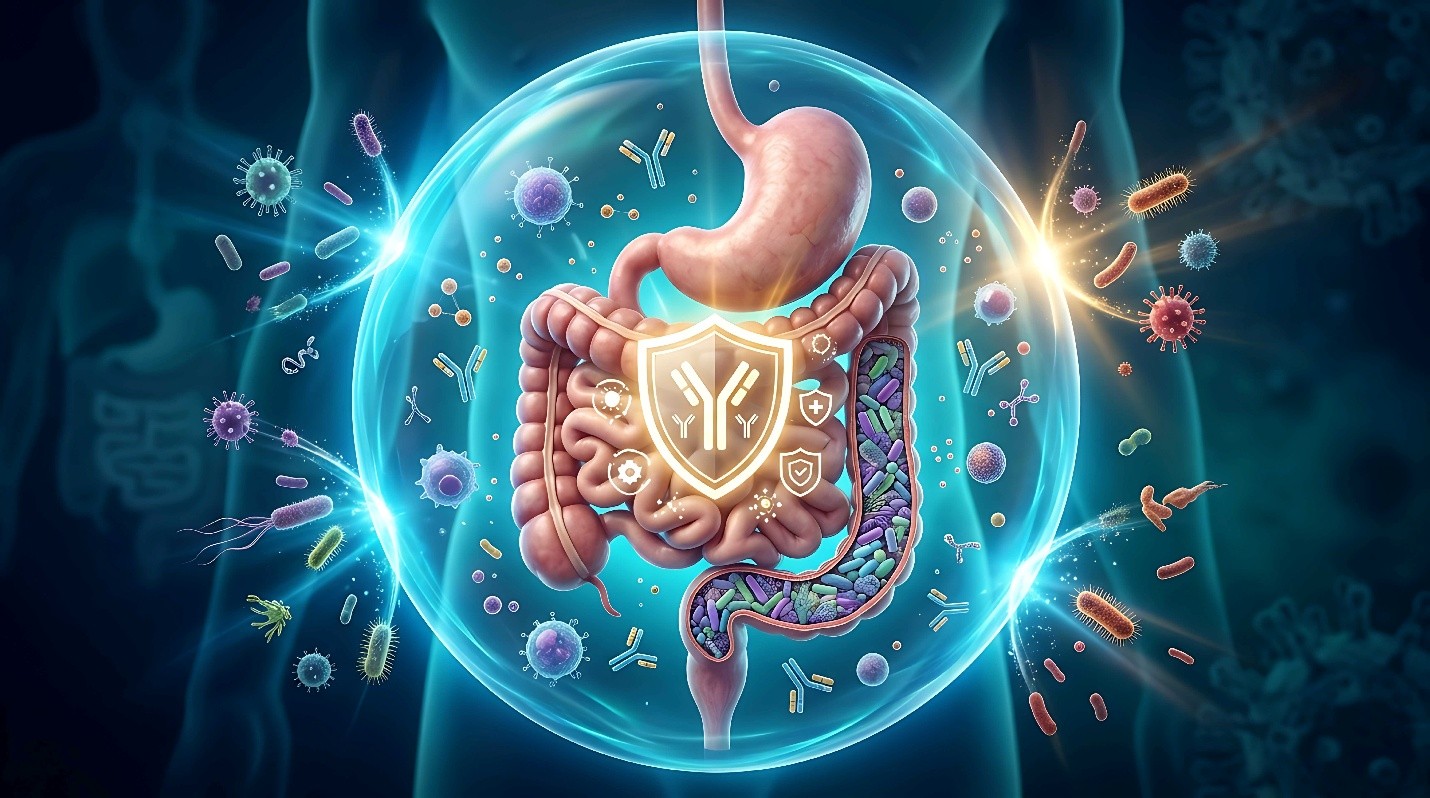
A newborn’s gut is colonized by bacteria within days of birth, and this early microbial community is thought to help train the developing immune system. This project uses longitudinal mother–infant cohort data from Switzerland (BEBICO) and Zimbabwe (UZBCS) to test how the abundance of specific early-life gut bacteria predicts antibody levels in infant blood and stool over time, while accounting for antibodies transferred from the mother. By comparing patterns across two cohorts from very different settings, the project aims to identify which microbial features robustly shape antibody development across diverse populations, and during which developmental windows the immune system is most sensitive to the composition of the gut microbiome.