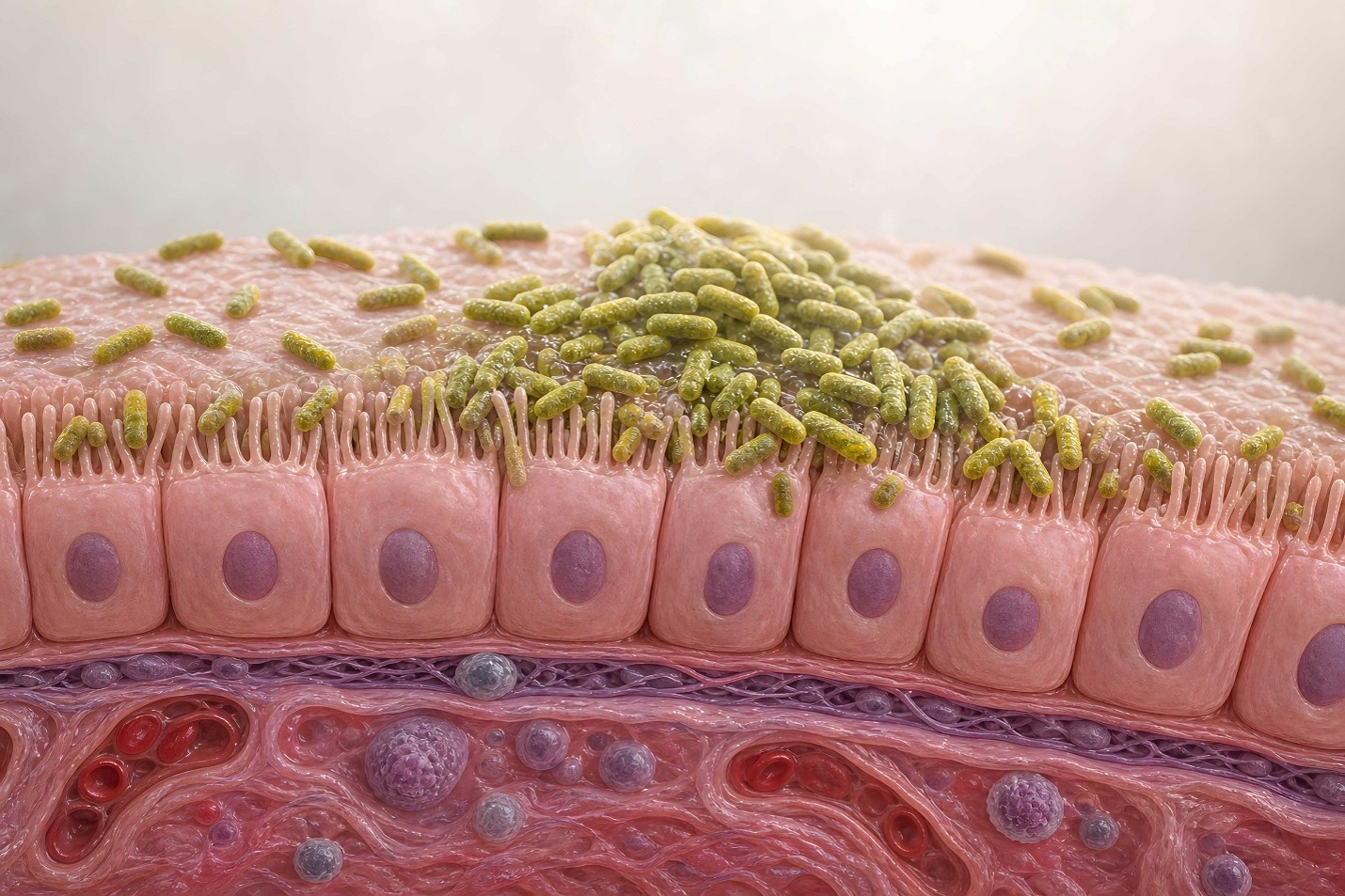
An overactive or dysregulated immune response can be as dangerous as the infection that triggered it. Such dysregulation is a major driver of conditions including neonatal sepsis and necrotizing enterocolitis. This project investigates how disruption of the gut microbiome contributes to these pathological immune responses, using longitudinal blood and stool samples from neonatal intensive care and pediatric hematology-oncology cohorts at the University Children’s Hospital Basel (UKBB), complemented by international pediatric cohorts. By combining machine learning, causal inference, statistical analyses, and mechanistic mathematical models, the project aims to identify which microbiome and immune signals predict disease progression and to use this understanding to design safer antibiotic strategies and personalized probiotic interventions that protect vulnerable infants and children.