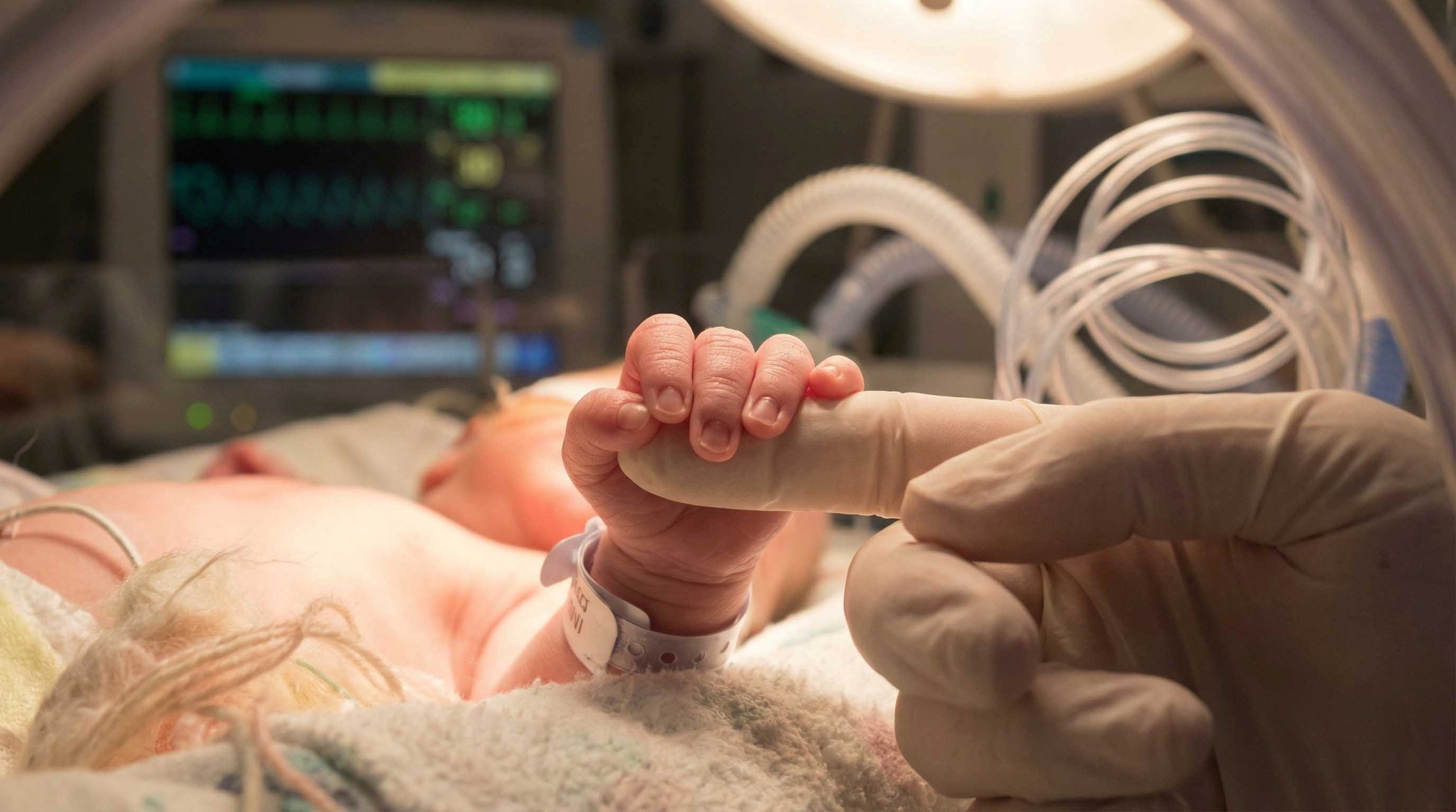
Premature and critically ill newborns in intensive care are highly vulnerable to early-onset sepsis, a life-threatening infection that is difficult to detect before clinical symptoms appear. This project analyzes routine surveillance swabs and clinical data from newborns in intensive care to characterize how gut colonization by potentially harmful bacteria develops over time and whether patterns of gut colonization and antibiotic exposure can predict the onset of sepsis. The long-term goal is to develop an early warning system that enables clinicians to anticipate infection risk and tailor antibiotic treatment more precisely, protecting infants while minimizing unnecessary broad-spectrum antibiotic use, which can disrupt the developing microbiome, increase susceptibility to future infections, and contribute to other adverse health outcomes.