Biophysics and Biomedical Engineering

Research

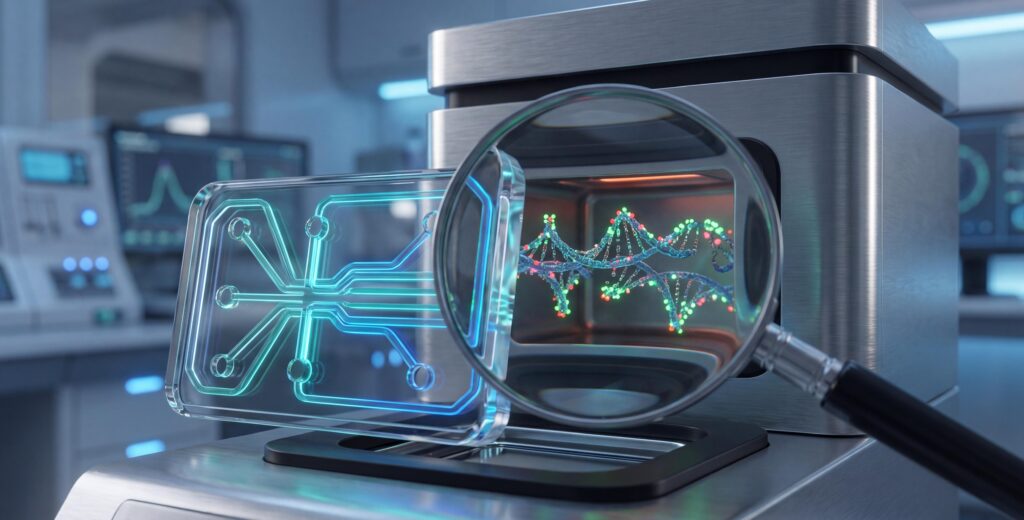
Research in the Biophysics and Biomedical Engineering group aims to develop innovative diagnostic tools by improving measurement precision of biological phenomena. Drawing on his pioneering work on single-cell high-throughput sequencing, his research group has spearheaded over the last years large-scale initiatives to map the transcriptional landscape of human organs and tissues at single-cell resolution. Together with the development of advanced methodologies on cell-free RNA and DNA analysis, his work contributes to a safer and more precise diagnosis and monitoring of a wide-range of diseases, including those emerging during childhood.

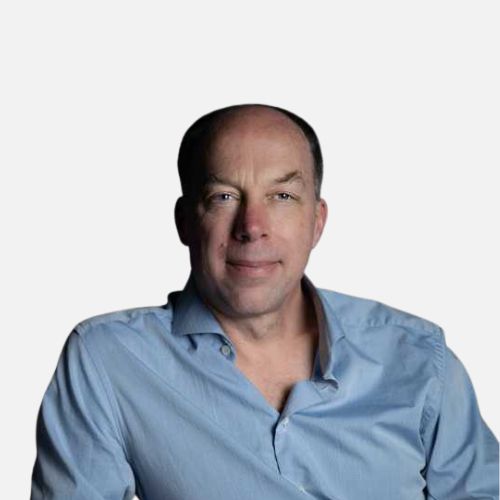
Prof Stephen Quake

Prof Dr Stephen Quake is the BRCCH Professor in Biophysics and Biomedical Engineering. Affiliated with the Department of Biosystems Science and Engineering at ETH Zurich, he continues his pioneering research at the intersection of microfluidics, in vitro diagnostics, and single-cell omics at BRCCH.

Before joining ETHZ, Prof Quake was the Lee Otterson Professor of Bioengineering and Applied Physics at Stanford University and co-founder of the Chan Zuckerberg Biohub Network. An accomplished academic as well as an entrepreneur, his work contributed to the development of high-throughput DNA sequencing, single-cell analysis, non-invasive prenatal testing and cell-free liquid biopsies, significantly expanding the capabilities of modern precision medicine. His scientific contributions have been recognized through election to the U.S. National Academy of Sciences, the U.S. National Academy of Engineering, and the U.S. National Academy of Medicine, along with numerous prestigious awards for innovation and scientific excellence.

Prof Stephen Quake

BRCCH Professor of Biophysics and Biomedical Engineering

Open Positions

Biophysics and Biomedical Engineering Projects

Prof Quake’s research focuses on developing innovative diagnostic tools by integrating fundamental insights from microfluidics, single-cell genomics, and computational modelling. By advancing methods for analysing cell-free RNA and DNA, his work opens new avenues for the early detection and monitoring of a wide range of diseases, including those affecting children.

Subscribe to our newsletter