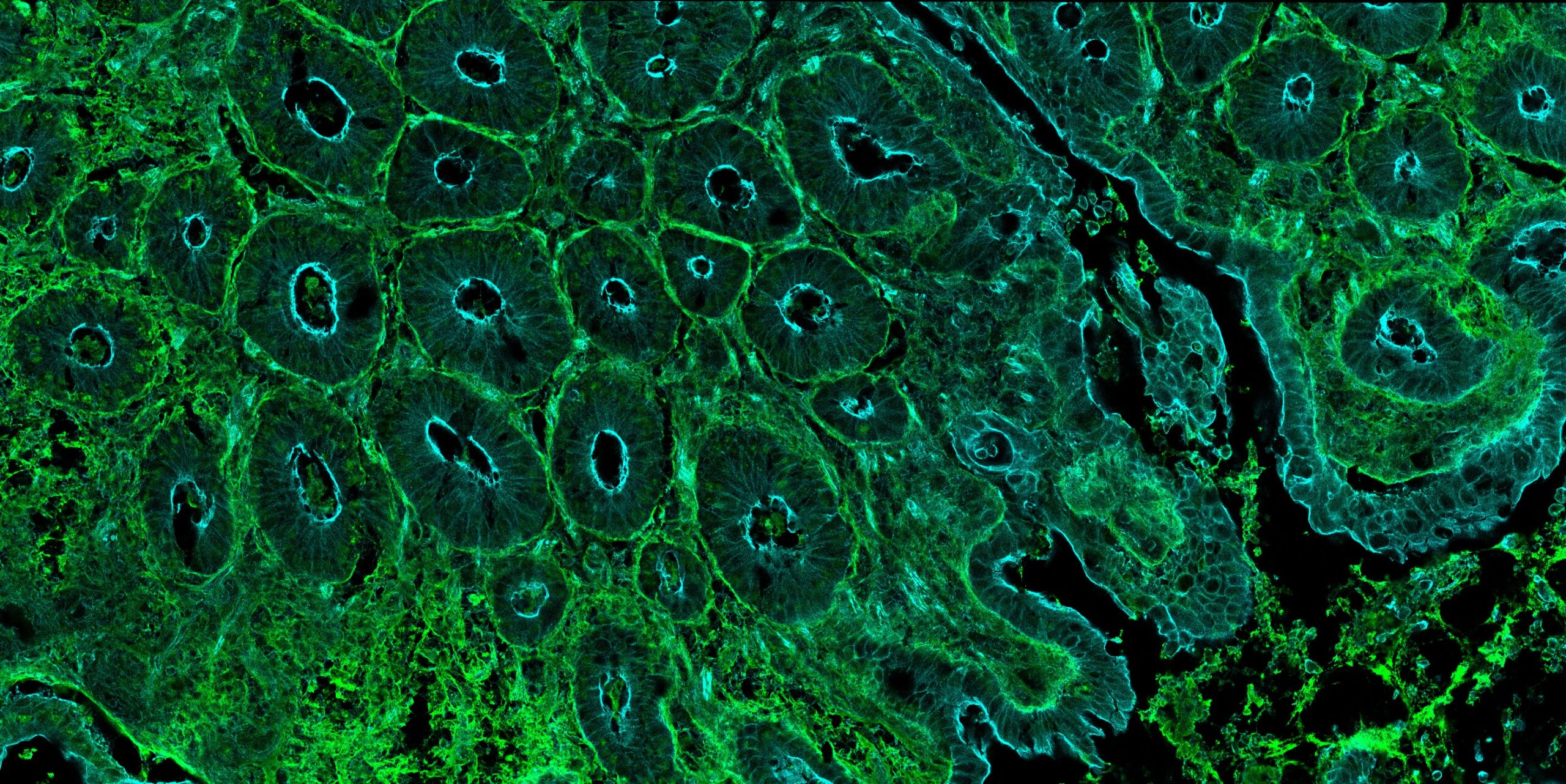
The gut microbiome, the microorganisms residing within the intestinal tract, plays a crucial role in health. These highly diverse organisms work together as a tightly regulated ecosystem to contribute to overall health by fulfilling enzymatic functions, thereby occupying their specific niche within the gut. In newborns, an imbalanced gut microbiome can have negative implications for child health, such as chronic inflammation, the development of autoimmune diseases and brain disorders. A favourable approach to combat these negative effects would be to replace pathogenic or harmful bacteria with neutral or beneficial ones, though to date it remains extremely difficult to alter the composition of the gut microbiome.
The focus of this project is to engineer the bacterial composition of the gastrointestinal tract in order to prevent and combat infections, neonatal sepsis and inborn metabolic diseases such as hyperammonemia. The researchers of this consortium developed a new tool they dubbed “vaccine-enhanced competition,” whereby oral vaccination with a fast-growing but harmless competitor was able to replace specific pathogens, thereby reducing infection. The use of a non-pathogenic bacterium whose enzymatic activity was very similar to that of the disease-causing pathogen led to exclusion of the harmful bacteria from the gut. This exclusion, combined with rapid activation of the hosts’ immune system, hampered the progression of Salmonella infection, as demonstrated in mice. These findings are especially relevant to combat infections of the newborns, such as infections with E. coli or other bacteria that can lead to sepsis.
More precisely, the researchers were able to selectively favour colonization of the gut by genetically engineered bacteria while clearing out unmodified organisms. This presents a promising development in fighting inborn metabolic diseases such as hyperammonemia, an accumulation of excess ammonia in the blood. To this end, bacteria engineered to produce detoxifying enzymes that convert ammonia into nitrogen could be selectively enriched in the gut, where they would reduce ammonia levels and ameliorate associated symptoms. However, a remaining challenge is that the implementation of this method in mice resulted in a severely compromised diversity of bacteria. The end goal is to ensure a varied microbiota with diverse enzymatic functions, an approach that could ameliorate symptoms of metabolic defects and improve liver diseases.