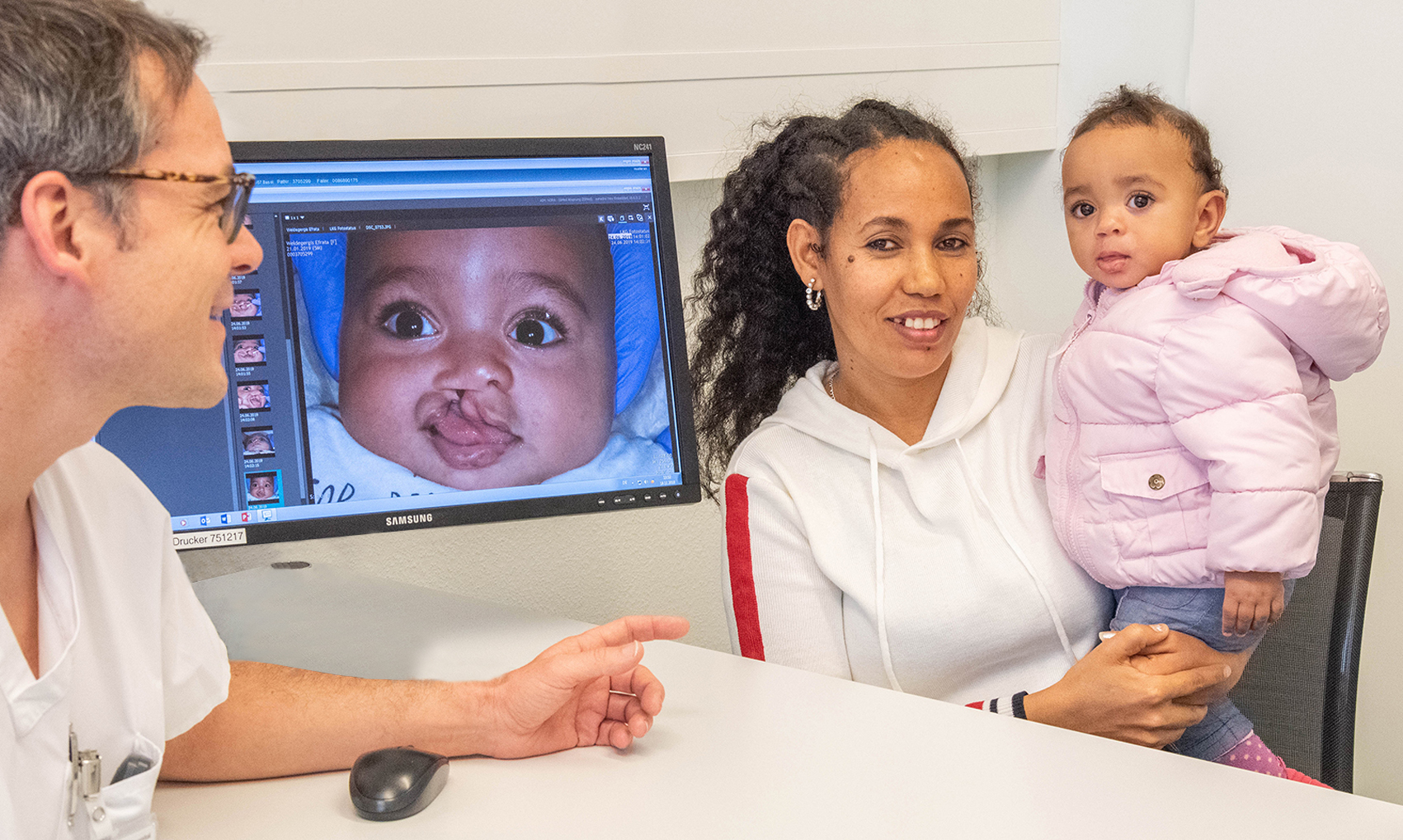
One in 700 newborns worldwide is born with a cleft lip and/or palate, a mouth malformation leading to difficulties breathing, feeding and teething. No preventative measures exist for this condition and the only available treatment for patients is to undergo multiple costly surgeries, an option that is not accessible in resource-limited settings. The treatment begins with the generation of therapeutic intraoral plates that sit on the roof of the baby’s mouth to alleviate symptoms and improve conditions for surgical gap closure later on. These plates have traditionally been manufactured by manually generating a plaster cast and using intraoral scanners, an expensive process that requires technical precision and endangers the child’s airways.
The aim of this research consortium is to streamline the process, to allow personalized palate care and make these treatment options available to children living in low-income settings. The researchers have successfully generated a method that creates three-dimensional (3D) reconstructions of patients’ palates using smartphone-based scans, lowering costs and eliminating the need to manually generate palate impressions. The software is a cost-effective and easily implemented tool that engages machine learning to design tailored therapeutic plates, which can be 3D-printed locally using biocompatible materials. In addition, the consortium has designed and manufactured an intraoral mirror to be integrated into the workflow, improving image quality despite variables such as lighting in the operating room.
The clinical implementation of this work has been tested on 60 patients across India, South Africa and Basel. Hospital visits were significantly reduced, preoperative planning was streamlined and patient outcomes were improved, emphasizing the positive effect in real-world settings. The researchers hope that the results of this study will further reduce healthcare costs and increase efficacy in cleft lip care worldwide.