FXS is the most common hereditary cause of intellectual disabilities. It is caused by the reduced expression of a gene called fragile X messenger ribonucleoprotein 1 (FMR1) due to mutations in its DNA structure. This further leads to aberrant synapse formation and subsequent dysfunctional signal transduction along nerves, resulting in impaired intellectual development and attention-deficit/hyperactivity syndrome. The current treatment options are designed to alleviate patient symptoms and must be pursued life-long, although they are ineffective in rescuing FMR1 expression and pose a financial burden for the family.
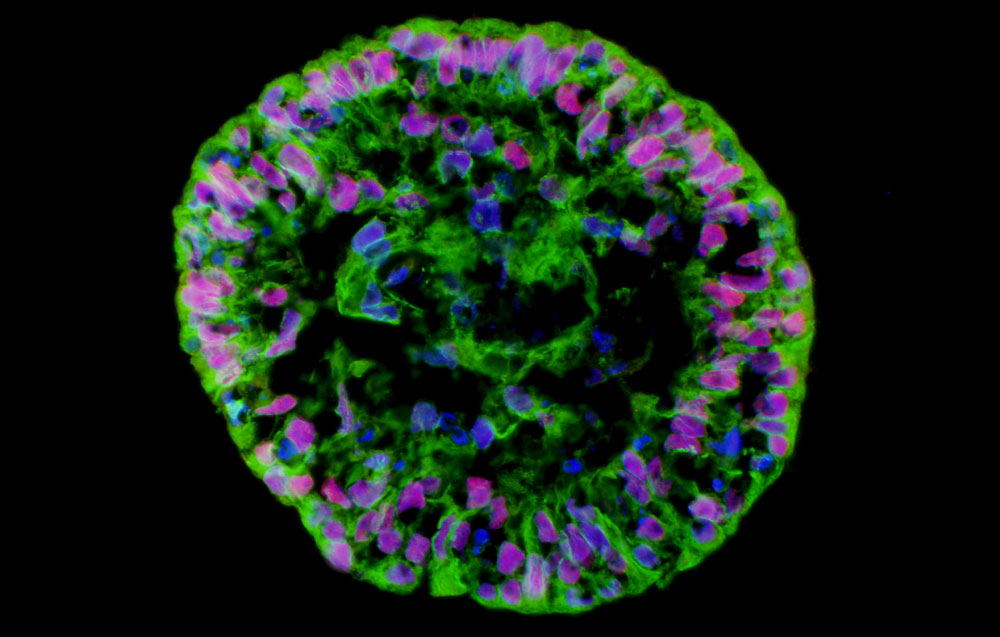
This research consortium aimed to develop early-life FXS therapies by screening a wide range of new drugs in patient-derived brain organoids, small self-assembled aggregates of cells that resemble embryonic brain structures. These organoids recapitulated many of the features observed in FXS such as improperly formed neural structures and dysregulated synaptic genes. Ascorbic acid, also known as vitamin C, was found to be a promising candidate in treating FXS in these organoids by increasing FMR1 levels and restoring aberrant neuron morphology, though further validation of its effectiveness in patients is still required.